

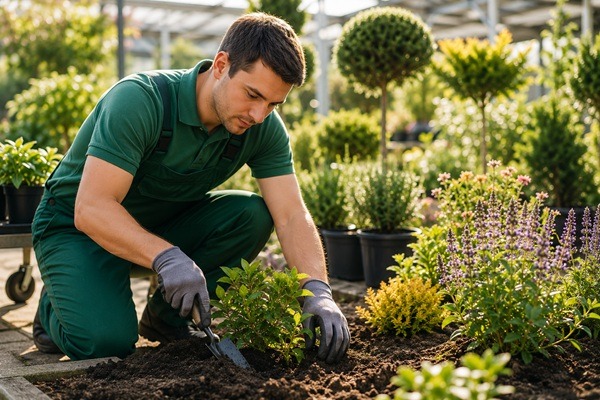
Queensland has always been green — that part isn’t new.
Drive through Brisbane suburbs, coastal resorts, or even newer housing estates, and you’ll notice something straight away. Landscaping is everywhere now.
It’s not just basic lawns either. Proper outdoor spaces. Native gardens. Carefully planned greenery outside offices, cafés, schools, and apartment buildings.
People expect it these days. And because of that, the demand for skilled horticulture workers has started climbing fast across the state.
Not slowly. Properly fast.
Horticulture Is Not Just “Working With Plants”
A lot of people still think horticulture simply means gardening. That’s part of it, sure, but the industry itself is much broader now.
Modern horticulture involves landscaping, irrigation systems, plant health, turf management, soil care, sustainability practices, and outdoor design. Sometimes it’s physical work. Sometimes technical. Most of the time, it’s both.
One day could involve maintaining public green spaces. Another might involve helping build outdoor areas for a commercial property.
No two projects really feel identical — and that’s one reason many students are now considering a diploma of horticulture as an actual long-term career pathway.
Brisbane’s Growth Is Creating More Jobs
Queensland keeps expanding.
New developments appear constantly. Residential estates, hotels, schools, retail spaces, and so on. Every one of those places needs landscaping at some stage, and most need ongoing maintenance afterwards too.
That creates steady demand.
The rise in gardening and landscaping in Brisbane has opened opportunities for landscapers, horticulture assistants, nursery workers, grounds staff, irrigation technicians, and site supervisors.
Even local councils are investing more in outdoor spaces because greener environments have become part of modern city planning.
Employers Want Skilled Workers Now
This industry used to rely heavily on informal learning. Someone would start as a labourer and slowly pick things up over time.
But things are different now.
Many employers want workers who already understand plant care, safety procedures, irrigation systems, equipment handling, and sustainable landscaping techniques before entering the job. It saves time. It also reduces expensive mistakes on-site.
That’s where formal training becomes valuable.
Completing a recognised landscaping certification or a diploma of horticulture gives students practical knowledge that employers actually look for.
Not just theory from a textbook. Real skills.
Why Students Are Choosing Queensland
There’s also a reason more people are interested in studying horticulture in Queensland specifically. The environment helps.
Queensland offers access to tropical plants, native Australian species, urban landscaping projects, and large outdoor developments all within the same state. Students get exposed to different types of horticulture work rather than learning in one narrow setting.
And honestly, many people simply enjoy learning outside instead of sitting in classrooms every day.
Horticulture suits people who prefer movement. Practical tasks. Hands-on learning. Seeing visible results at the end of a project.
That feeling matters more than people think.
The Industry Is Bigger Than Most People Realise
Some assume horticulture only leads to basic gardening jobs. But that’s not true.
The career pathways are surprisingly varied now — landscaping companies, environmental rehabilitation projects, sports turf management, commercial maintenance, nursery production, council operations, and even business ownership.
Some professionals eventually specialise in sustainable landscaping or large-scale outdoor design projects. Others build their own local businesses over time.
There’s room to grow in this industry if someone is genuinely skilled and reliable. And Queensland’s demand doesn’t appear to be slowing anytime soon.
Choosing The Right Training Provider Matters
Not every course prepares students properly for real industry work. That’s important to remember.
When researching horticulture courses in Brisbane, students should look for practical training, experienced educators, and nationally recognised qualifications that connect directly with industry needs. Hands-on learning matters a lot in horticulture because employers value experience just as much as knowledge.
A supportive learning environment matters too — especially for students entering the industry for the first time.
For those wanting to build practical skills and enter Queensland’s growing green industry with confidence, trusted institutions like Global Institute of Education are helping students prepare for real-world horticulture careers through industry-focused training programs designed around modern landscaping and horticulture needs.