Liv Hospital Istanbul Highlights Advanced Approaches to Stem Cell Overview and Definition in Modern Hematology Care

As regenerative medicine continues to reshape the future of healthcare, Liv Hospital is drawing attention to the growing importance of stem cell science in the diagnosis and treatment of complex blood disorders such as aplastic anemia. Through advanced hematology programs and regenerative medicine expertise, the hospital is helping patients better understand the role of stem cells in restoring bone marrow function and long-term systemic health.
The hospital’s latest focus on Stem Cell Overview and Definition reflects increasing global awareness around stem cell therapies and their role in modern clinical care.
Understanding Stem Cells and Their Role in Human Health
Stem cells are unique biological cells capable of developing into many different specialized cell types within the body. Unlike ordinary cells, stem cells possess the remarkable ability to self-renew and regenerate damaged tissues, making them central to regenerative medicine and advanced therapeutic research.
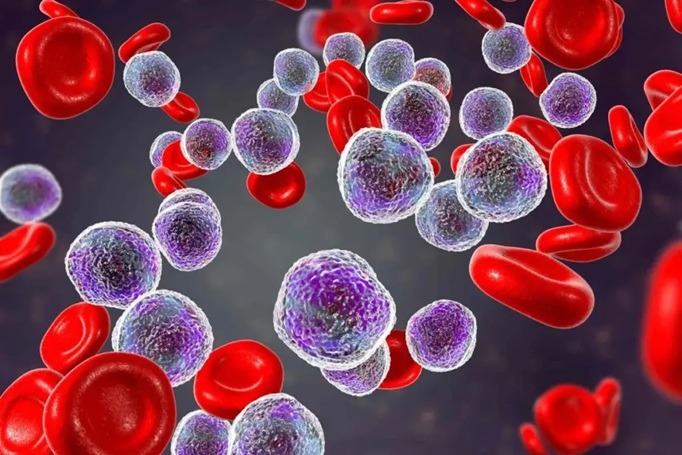
In hematology, stem cells are especially important because they are responsible for producing healthy blood cells inside the bone marrow. These hematopoietic stem cells continuously generate:
- Red blood cells that transport oxygen
- White blood cells that fight infections
- Platelets that help blood clot properly
When stem cell production becomes disrupted or damaged, the body may struggle to maintain normal blood cell levels, potentially leading to severe medical conditions such as aplastic anemia.
Why Stem Cell Research Is Reshaping Modern Medicine
Medical research over the past decade has transformed stem cell therapy from an experimental concept into a highly specialized field used in the treatment of hematologic disorders, immune deficiencies, and regenerative applications.
Modern regenerative medicine focuses not only on replacing damaged cells but also on restoring the biological environment required for long-term healing and tissue regeneration.
At Liv Hospital, multidisciplinary specialists integrate advanced diagnostic technologies, hematology expertise, and regenerative medicine protocols to evaluate complex blood disorders and develop individualized treatment strategies.
This patient-centered approach allows clinicians to focus on restoring the body’s natural ability to regenerate healthy blood cells while improving overall systemic wellness.
The Connection Between Stem Cells and Aplastic Anemia
Aplastic anemia is one of the most serious conditions associated with stem cell dysfunction. The disorder occurs when the bone marrow fails to produce enough healthy blood cells due to damage or depletion of hematopoietic stem cells.
Unlike common forms of anemia linked to iron or vitamin deficiencies, aplastic anemia affects all major blood cell lines simultaneously, resulting in a condition known as pancytopenia.
Patients may experience symptoms such as:
- Severe fatigue and weakness
- Frequent infections
- Easy bruising and prolonged bleeding
- Shortness of breath
- Persistent dizziness and headaches
Specialists emphasize that early diagnosis is critical because severe aplastic anemia can significantly increase the risk of life-threatening complications if left untreated.
Advanced Diagnostic Approaches in Regenerative Hematology
Modern stem cell medicine relies heavily on precision diagnostics to evaluate bone marrow function and cellular health.
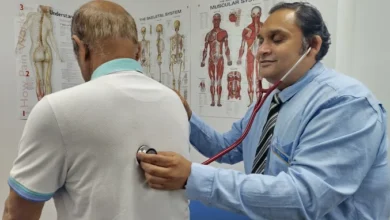
Clinicians typically begin with advanced blood testing, including complete blood counts (CBC), reticulocyte analysis, and immune profiling. However, the definitive evaluation often requires a bone marrow biopsy and aspiration procedure to assess marrow cellularity and identify stem cell depletion.
At Liv Hospital’s Hematopoietic Stem Cell Unit and Regenerative Medicine Laboratory, advanced technologies such as high-resolution flow cytometry and automated marrow analysis systems help specialists obtain accurate clinical insights while improving diagnostic precision.
These innovations support more targeted treatment planning and allow physicians to differentiate aplastic anemia from other marrow-related disorders.
Stem Cell Therapies and Bone Marrow Transplantation
One of the most advanced treatment pathways for severe aplastic anemia involves hematopoietic stem cell transplantation, commonly known as bone marrow transplantation (BMT).
This procedure replaces diseased marrow with healthy donor stem cells capable of rebuilding the patient’s blood-forming system.
Modern transplantation protocols have evolved significantly in recent years through:
- Improved tissue matching techniques
- Enhanced conditioning regimens
- Better infection control measures
- Advanced immune modulation therapies
These advancements have improved treatment outcomes while reducing complications during recovery.
For patients who may not immediately qualify for transplantation, immunosuppressive therapies are often used to create conditions that allow remaining stem cells to recover and repopulate the marrow.
Recovery and Long-Term Follow-Up in Stem Cell Care
Recovery after stem cell treatment requires long-term monitoring and careful clinical management. Specialists closely track blood counts, immune system stability, and overall patient wellness during follow-up care.
Modern recovery programs increasingly focus on:
- Infection prevention
- Nutritional support
- Gradual physical rehabilitation
- Emotional and psychological wellbeing
- Long-term systemic monitoring
According to regenerative medicine specialists, survivorship care is now considered an essential part of stem cell treatment planning rather than a secondary phase of care.
Global Demand for Regenerative Medicine Continues to Rise
The growing interest in stem cell therapies reflects broader global healthcare trends emphasizing personalized medicine and regenerative treatment strategies.
International patients increasingly seek specialized centers capable of combining advanced diagnostics, transplantation expertise, and long-term follow-up support within a single integrated care environment.
With more than three decades of international healthcare experience, Liv Hospital continues to expand its role in advanced hematology and regenerative medicine services, supporting patients from around the world through specialized stem cell programs.
As research into stem cell science continues to evolve, experts believe regenerative medicine will play an increasingly important role in the future of complex disease treatment and long-term health restoration.